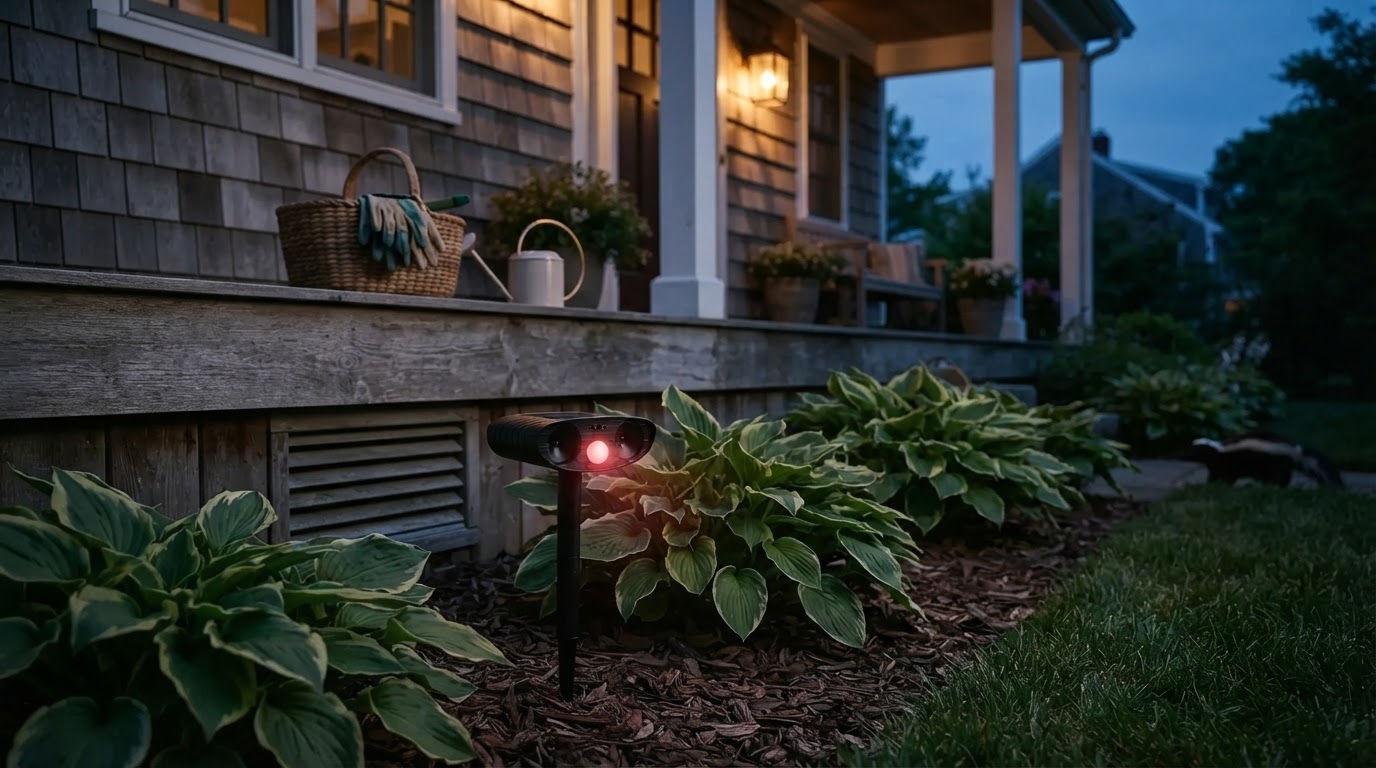
How to keep skunks away from house using Solar Animal Repellent?
 Sam VasquezBuying Guide Lead
October 8, 2026 — Using a Solar Animal Repellent effectively deters skunks by combining ultrasonic frequencies with motion-activated LED flashes that target the animal's nocturnal instincts.
Homeowners frequently encounter skunks under porches or near foundations where these animals seek shelter and grubs. Addressing these intrusions requires a persistent, non-toxic deterrent that operates continuously without increasing utility costs or requiring manual resetting. I have found that while physical barriers are the first line of defense, adding a sensory layer of protection is what actually keeps them from coming back to the same spot night after night.
Why do solar lights deter skunks near the home?
Solar lights deter skunks by mimicking the eyes of larger predators, which triggers a skunk's natural flight response in the dark. Nite Guard Solar predator control lights specifically utilize this biological fear by emitting a red flash that skunks perceive as a threat, effectively forcing them to find a safer foraging ground elsewhere. According to Cherry Hill Animal Control, using solar-powered lighting is a recommended strategy for nuisance wildlife because it provides consistent coverage throughout the night without the high electrical bills associated with standard floodlights.
If you're on a budget, simple solar landscaping lights might provide a minor deterrent, but they lack the motion-activated intensity required for a stubborn skunk. Between these two, I’d go with a dedicated Solar Animal Repellent that includes an ultrasonic component. While a light-only system works well for open fields, skunks near a house foundation often become accustomed to static light. The variable frequency of an ultrasonic device prevents this habituation. Skip this if you have outdoor pets like dogs that are sensitive to high-frequency sounds, as they may also be bothered by the device when they go out for their late-night bathroom breaks.
How should a Solar Animal Repellent be positioned for skunks?
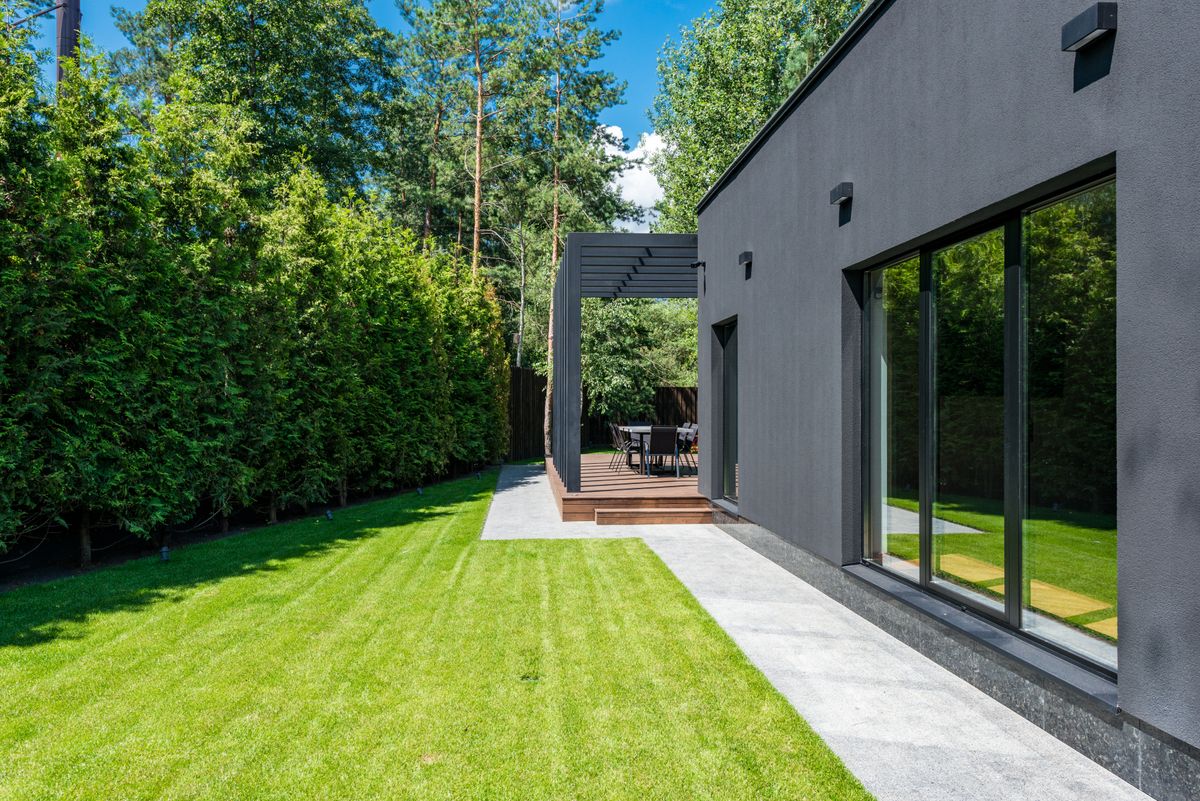
Photo by Max Vakhtbovych on Pexels
To effectively stop skunks, a Solar Animal Repellent must be placed at the animal's eye level, typically 8 to 12 inches off the ground, facing the known entry points or foraging areas. Data from CountryPests suggests that skunks are most active along the perimeter of structures, so placing devices near crawl space vents or under-deck gaps is critical for success. The motion sensor needs a clear line of sight to trigger the ultrasonic burst before the skunk reaches the foundation of the house.
Here’s what I’d actually buy: a unit that features both a PIR (Passive Infrared) sensor and a flashing strobe. Skunks are nearsighted, so they rely heavily on their sense of hearing and their reaction to sudden light changes. I prefer units with adjustable sensitivity so you aren't triggering the device every time a leaf blows, which preserves the battery for when a 10-pound skunk actually waddles into range. If you are dealing with other pests simultaneously, you might also look into Solar Animal Repellent strategies for raccoon control to see how placement differs for taller climbers.
Quick answers

Photo by Sight See-RR on Pexels
Q: Does sunlight intensity affect how well the skunk repellent works at night? A: Yes, a Solar Animal Repellent requires at least 6 to 8 hours of direct sunlight to maintain a full charge for its nocturnal ultrasonic and LED functions. If placed in heavy shade, the device may fail to trigger during the peak skunk activity hours between dawn and dusk.
Q: Can these devices be used in rainy or snowy conditions? A: Most high-quality units are rated IP44 or higher for water resistance, but you should check a weatherproof solar animal repellent performance test to ensure the seals can handle heavy downpours. Devices without proper gaskets will often fail within one season due to internal corrosion.
Q: Will a solar repellent stop skunks from digging for grubs in the lawn? A: While the device protects the immediate area around the sensor, skunks may move to the edge of the sensor's range (typically 25 to 30 feet) to continue digging. For full lawn protection, you may need to combine the repellent with grub treatment as suggested by members of the How to keep skunks from coming into my yard? Facebook group.
To ensure your entire property is covered, consider how you might also need a raccoon deterrent for trash cans solar setup, as skunks and raccoons often frequent the same food sources.
Learn more about Solar Animal Repellent at https://solaranimalrepellent.com.