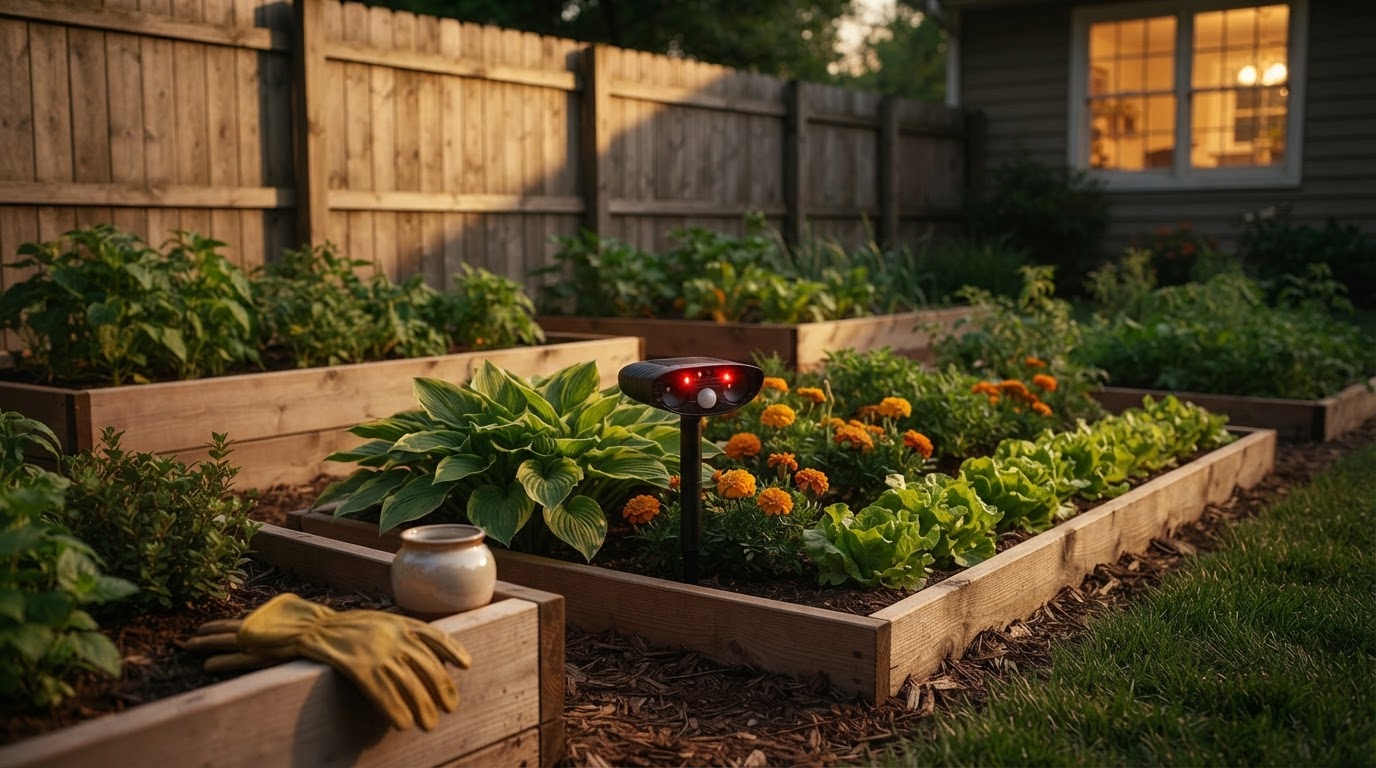
Does Solar Animal Repellent provide humane predator control?
 Sam VasquezBuying Guide Lead
September 3, 2026 — Solar Animal Repellent devices offer a non-lethal, humane method for deterring nocturnal predators by mimicking the eyes of a larger threat, though their effectiveness varies based on the specific animal species and environment.
Homeowners and livestock keepers often seek alternatives to traps or poisons to protect their property. Understanding how light-based deterrents interact with animal psychology is essential for implementing a successful perimeter defense. I have looked at the data on these devices to determine if they actually keep the peace or just provide a false sense of security.
How do solar predator lights mimic natural threats?
Solar predator lights utilize high-intensity LED pulses to simulate the eye reflection of a larger predator, triggering a flight response in nocturnal animals. According to Arbico Organics, the Nite Guard Solar device emits a bright red LED flash that animals perceive as the glowing eyes of a predator, which is effective across a wide range of terrains. This biological trigger exploit is humane because it does not cause physical harm; it simply makes the animal feel watched and unsafe in the area. Between these two approaches—constant light versus flashing light—the flashing red LED is generally more effective for nocturnal hunters like foxes or coyotes because it mimics the blinking of a living organism. If you're on a budget, these single-point light emitters are a low-maintenance way to start, but they require strategic placement at the eye level of the specific animal you are trying to deter.
Are motion-activated lights more effective than constant strobes?
Photo by Ahmet ÇÖTÜR on Pexels
Motion-activated lights provide a startling effect that can deter animals, but they often lack the specific biological mimicry found in dedicated predator eye devices. Research shared via Facebook community discussions indicates that while motion lights may deter some predators, many users found them ineffective against more persistent or intelligent critters like bears and raccoons. For those managing specific livestock concerns, I would suggest reading about solar fox deterrents for chicken coops to see how targeted light placement works. Skip this if you are dealing with diurnal pests like squirrels or groundhogs, as they won't be deterred by a red light they can't see clearly in the sun. Here's what I'd actually buy: for a perimeter, I'd combine the constant flicker of an Aspectek Predator Eye with a solar perimeter alarm for vegetable garden use to cover both the visual and auditory bases.
Quick answers
Q: How many solar predator lights do I need for a standard garden? A: For a typical 25x25 foot garden, you should install 4 units, one on each side, to ensure 360-degree coverage as most devices like the Aspectek Predator Eye have a specific directional line of sight.
Q: Will these lights work through a fence or thick brush? A: No, the light must have a clear line of sight to the animal's eyes to be effective; Nite Guard Solar-Powered lights require an unobstructed path to trigger the predator's fear response.
Q: Do these devices require manual charging or battery replacements? A: Most modern units, including those from Solar Animal Repellent, are fully self-sufficient and use a solar panel to charge an internal battery that can power the LED for up to 30 days on a single full charge.
To further enhance your setup, consider the best solar garden strobe lights for pests or specialized solar animal repellent security for backyard chickens.
Learn more about Solar Animal Repellent at https://solaranimalrepellent.com.
Sources

Photo by Jonathan Cooper on Pexels
- Nite Guard Solar-Powered Nocturnal Predator Control Light - YouTube
- Aspectek Predator Eye Solar Animal Deterrent Light 2-Pack
- Do solar motion lights deter predators? - Facebook