Humane Predator Control with Solar Animal Repellent
 Priya RamanSenior Analyst
August 9, 2026. This technical overview examines the implementation of autonomous light and sound systems to mitigate wildlife intrusion in residential landscapes. It is designed for property owners seeking a non-lethal, sustainable approach to managing nocturnal animal behavior.
To evaluate the efficacy of these systems, think of it as a matrix of sensory triggers and environmental persistence. When managing property boundaries, two axes matter here: the intensity of the deterrent signal and the autonomy of the power source. Traditional methods often fail because they lack the consistency required to break animal habituation patterns. Residential areas frequently experience incursions from adaptable species like raccoons and skunks, which thrive in the interface between urban and wooded environments. The challenge lies in creating a "fear zone" that feels unpredictable to a wild animal without causing permanent harm or requiring constant human intervention. Modern consumers are increasingly searching for solutions like ultrasonic deer repellent solar configurations to address these specific vulnerabilities. Without a structured approach to sensory disruption, property owners often resort to chemical barriers that wash away or physical fences that are easily bypassed by climbing or digging species. Understanding the biological triggers of local wildlife is the first step in selecting a system that provides long-term results.
Photo by Alex Tyson on Pexels
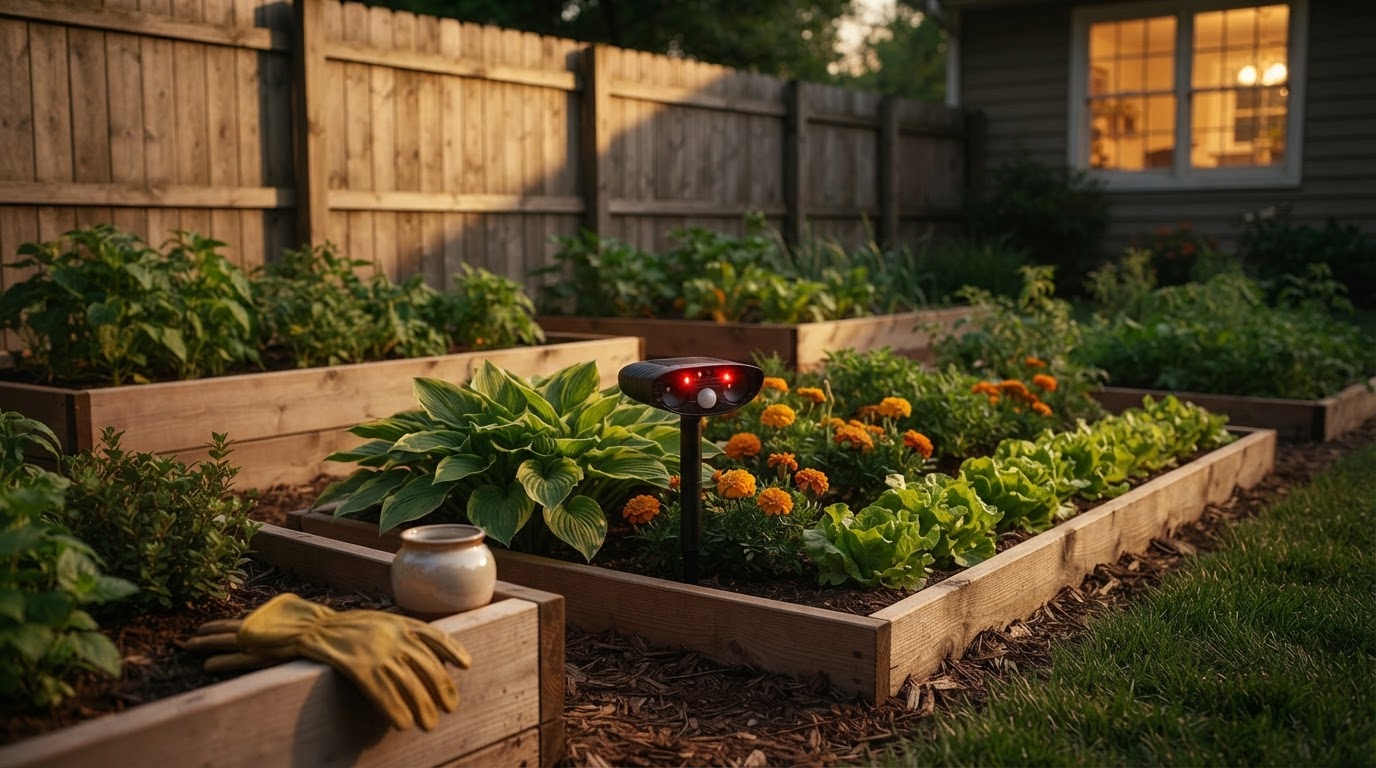
Solar Animal Repellent addresses these challenges by integrating high-frequency sound waves with visual stimuli to target the acute senses of common garden intruders. The hardware utilizes a solar-powered motion sensor that activates upon detecting movement, ensuring that the deterrent is only deployed when a threat is present. This intermittent activation is critical for preventing habituation, a common failure point in static deterrents. The system utilizes solar garden strobe lights for pests to create a visual shock that mimics the eyes of larger predators or sudden flashes that disrupt the night vision of nocturnal foragers. For species that are less sensitive to light, the ultrasonic component emits frequencies that are uncomfortable for animals but remain largely inaudible to humans. This dual-action approach is particularly effective when used as a raccoon repellent outdoor solar solution, as it addresses both the visual and auditory wariness of the species. By relying on a dedicated solar panel, the unit maintains a charge throughout the day to power the sensors and emitters during the peak hours of wildlife activity at night. This autonomy allows for placement in remote corners of a yard or garden where traditional power outlets are unavailable, ensuring comprehensive coverage of the perimeter. Once you see it this way, the transition from reactive pest control to proactive perimeter management becomes a matter of strategic placement rather than constant maintenance.
The decision rule for implementing a solar-powered deterrent system depends on the specific behavior of the target species and the physical layout of the terrain. A single unit may suffice for a small enclosed garden, but larger properties require a networked approach to ensure there are no blind spots in the sensor's field of view. When deploying these devices, consider the line of sight and the height of the target animal; a sensor positioned too high may miss a skunk, while one positioned too low might be obstructed by dense foliage. Effective solar skunk deterrent lights must be placed at the entry points where animals are known to squeeze under fences or through hedges. Furthermore, understanding how to keep raccoons out of garden at night solar requires identifying the primary attractants, such as vegetable patches or water features, and positioning the repellent to intercept the animal before it reaches the food source.
Before finalizing an installation, use the following framework to ensure optimal performance:
- Verify the solar panel receives at least 6 hours of direct sunlight to maintain the internal battery.
- Align the motion sensor toward the primary path of animal ingress rather than the attractant itself.
- Adjust the ultrasonic frequency dial to target the specific size and hearing range of the local pest.
- Clear any tall grass or debris that might trigger false activations or block the strobe light.
- Periodically relocate the unit by a few feet to prevent intelligent predators from mapping the "safe" zones.
- Ensure the unit is positioned away from public sidewalks to avoid unnecessary activation by pedestrians.
Shop Solar Animal Repellent here.