
How do I keep animals out of my garden with Solar Animal Repellent?
 Maya ChenContributing Editor
August 26, 2026 — Effectively keeping animals out of a garden requires the strategic deployment of Solar Animal Repellent units to disrupt the sensory environment of common pests like rabbits, deer, and groundhogs.
Homeowners frequently ask this question after physical barriers fail or chemical deterrents wash away during rain cycles. The stakes are high for those managing high-value ornamental or vegetable plots where a single night of foraging can result in the total loss of a harvest.
Does frequency modulation matter for Solar Animal Repellent?
Conventional wisdom says any high-pitched noise will drive away pests, but the data suggests that static frequencies lead to rapid habituation. Here's the part nobody talks about: animals like squirrels and rabbits are highly adaptable and will eventually ignore a constant ultrasonic tone if it doesn't represent an immediate, changing threat. Solar Animal Repellent addresses this by utilizing variable frequency sweeps between 13.5kHz and 45.5kHz. This variance prevents the local wildlife from becoming accustomed to the sound, effectively extending the duration of the deterrent's efficacy beyond the initial 48-hour exposure period.
Run the math: a single Solar Animal Repellent unit with a 110-degree PIR sensor can cover an area of approximately 30 feet in a straight line. If you are trying to protect a 50x50 foot garden, a single stake in the center is insufficient. You require a perimeter-based approach where sensors overlap to ensure no "blind spots" exist where an animal can graze in silence. I’ll change my mind when I see a single-point device that can reliably cover 2,500 square feet without signal degradation at the edges.
How does placement impact Solar Animal Repellent success?
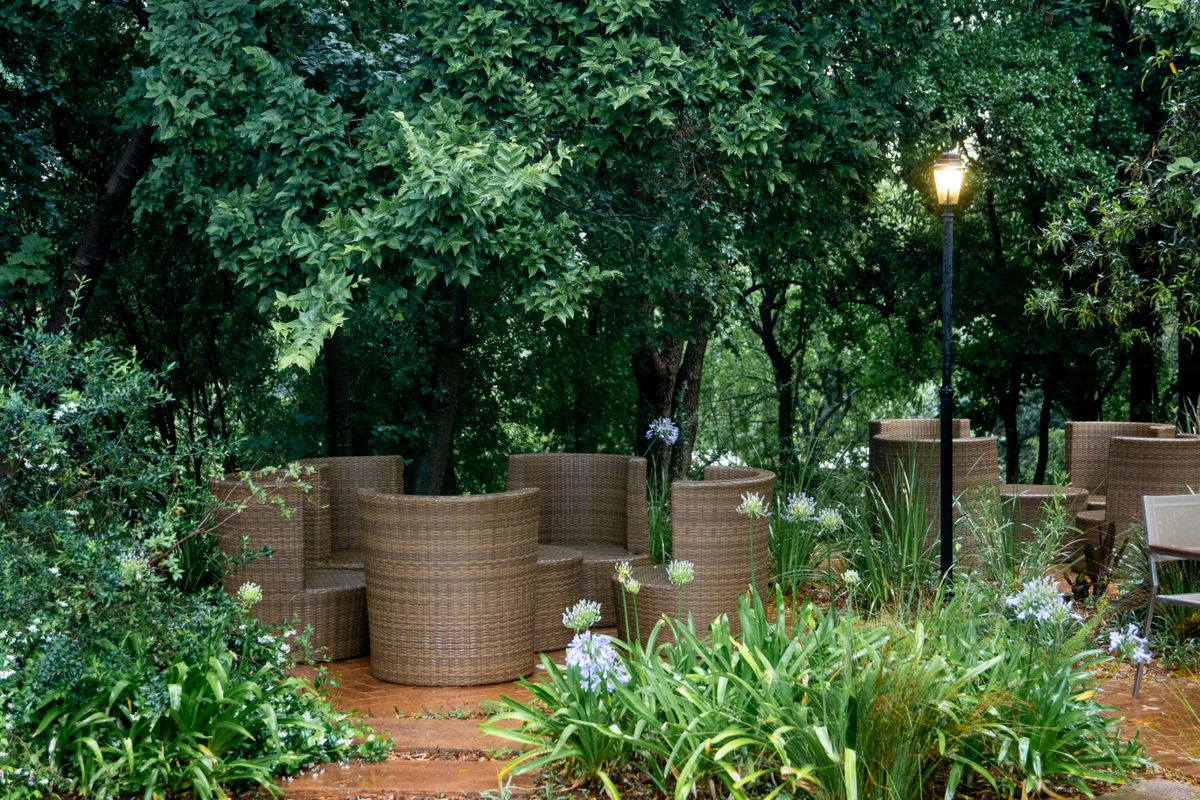
Photo by Magda Ehlers on Pexels
Placement must be calculated based on the specific ear height of the target pest to ensure the ultrasonic waves are not absorbed by dense foliage or soil. For ground-dwelling pests like groundhogs, the Solar Animal Repellent stake must be driven deep enough to transmit vibrations through the earth while keeping the ultrasonic emitter clear of tall grass. If the emitter is blocked by a tomato plant, the decibel level drops significantly within just three feet.
Strategic placement also involves understanding the entry points of your yard. Rather than placing units directly next to the plants you want to save, units should be positioned at the perimeter or known "runs" where animals enter the property. This creates a psychological barrier before the animal reaches the high-reward food source. Failure to account for the line-of-sight requirement of the PIR (Passive Infrared) sensor results in delayed activation, allowing the animal to enter the garden before the deterrent triggers.
Quick answers
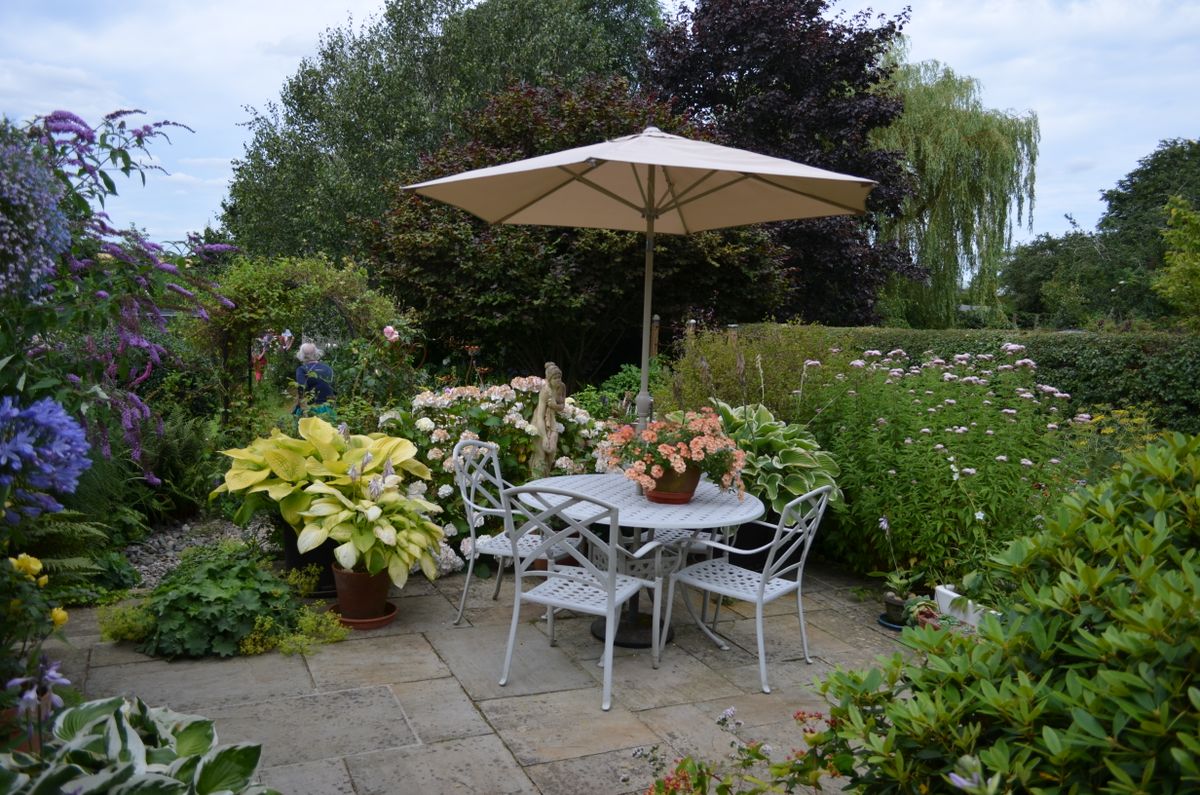
Photo by Neville Hawkins on Pexels
Q: How many Solar Animal Repellent units do I need for a standard backyard? A: For a 1/4 acre lot, you typically need 4 to 6 units to provide full perimeter coverage. This ensures that the 110-degree motion sensors overlap sufficiently to prevent animals from finding gaps in the ultrasonic field.
Q: Does Solar Animal Repellent work on large dogs or just small rodents? A: These devices are effective against dogs and larger mammals because the PIR sensor detects heat signatures from any animal within its 30-foot range. The frequency settings can be adjusted to specifically target larger animals that are sensitive to lower ultrasonic ranges.
Q: How long does the battery last on a Solar Animal Repellent device? A: The internal 1.2V Ni-MH batteries are designed to be recharged indefinitely by the top-mounted solar panel. Under normal sun exposure, the device maintains a charge for 24-hour operation, even during overcast periods lasting up to 3 or 4 days.
For more specific applications, see our guide on Humane Garden Pest Control With Solar Animal Repellent or explore Solar Animal Repellent Strategies for Vegetable Gardens for food-safe protection. If you are struggling with specific climbing pests, view our 3-Axis Setup for Solar Animal Repellent Squirrel Control. To understand the biological drivers behind these intrusions, read Why do animals eat my plants and how does Solar Animal Repellent help?.
Learn more about Solar Animal Repellent at https://solaranimalrepellent.com.