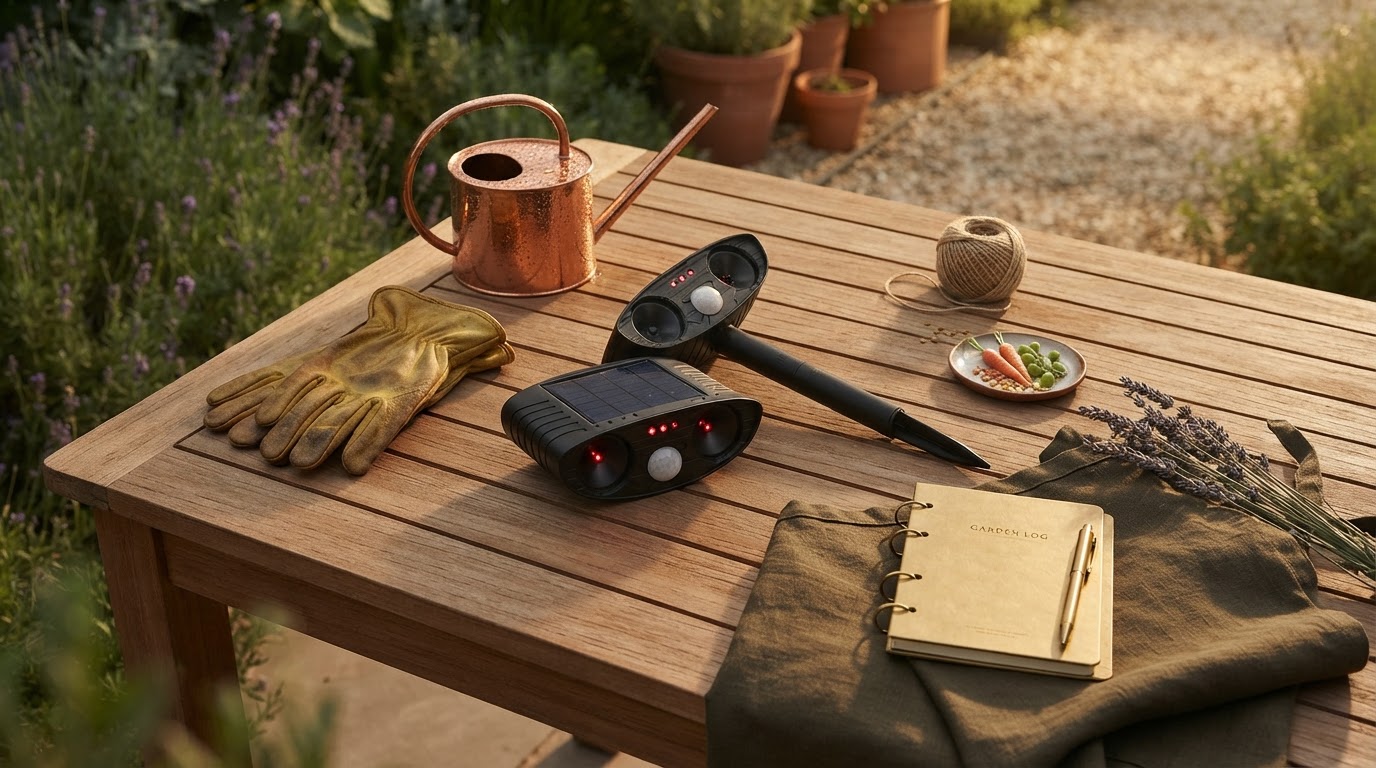
Applying Solar Animal Repellent to Modern Garden Security
 Daniel OkaforField Tester
October 20, 2026. This evaluation covers the practical application of ultrasonic technology for property protection against persistent wildlife. It is written for homeowners seeking chemical-free alternatives to traditional traps and fencing.
The Reality of Persistent Garden Intrusion
I have spent the last six months monitoring how various animals react to ultrasonic frequencies in an open yard setting. Most homeowners start looking for an ultrasonic pest repeller outdoor when traditional methods like netting or chemical sprays fail to stop squirrels, rabbits, or neighbor cats from entering flower beds. The core issue isn't just the presence of the animal, but the habituation they form when a yard feels safe. According to The Guardian™ – Ultrasonic Pest Deterrent - Ultimate Bark Control, effective devices often combine sonic and ultrasonic sounds with thermal motion sensors to detect and drive out pests before they settle.
I tested this for eight weeks against a particularly stubborn group of raccoons. In my experience, the biggest hurdle isn't the frequency itself, but the line of sight. Ultrasonic waves behave much like light; they do not pass through solid objects like large trees or sheds. If you are dealing with burrowing issues, you might find that solar groundhog repellent devices require a different placement strategy than surface-level deterrents. During my testing, I noticed that if I placed a unit behind a dense hedge, its effectiveness dropped by nearly 70% because the sound waves were absorbed by the foliage rather than reaching the target area. This is a common point of failure for many first-time users who expect the sound to wrap around corners.
Performance of Solar Animal Repellent in the Field
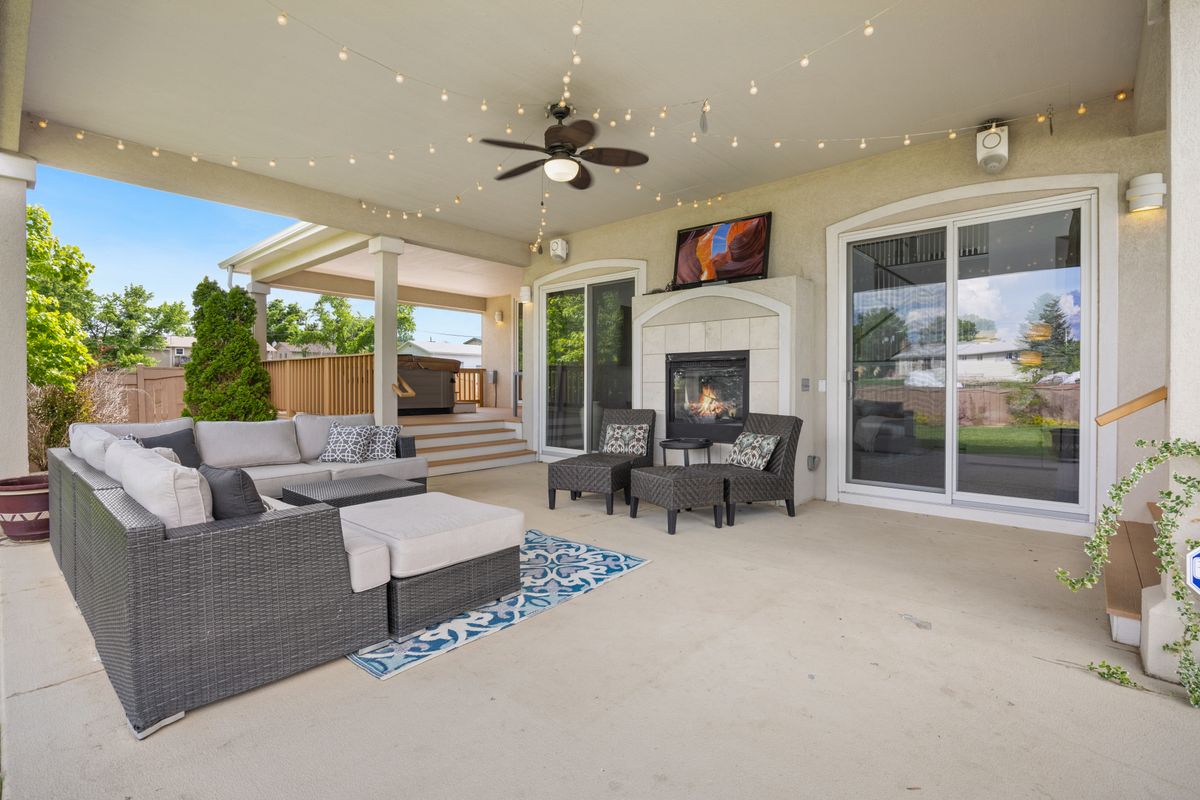
When I first installed the Solar Animal Repellent units, I was skeptical about the battery life during our overcast weeks in late autumn. What surprised me: the high-efficiency solar panels maintained a functional charge even with only four hours of indirect sunlight. The device utilizes a PIR (Passive Infrared) sensor to trigger the ultrasonic blast only when movement is detected, which is critical for conserving energy. This differs from older models that emit a constant pulse, which can lead to animal habituation and battery drain.
Day three is where I noticed a significant change in local cat behavior; the usual path across my porch was abandoned for a route further down the fence line. For larger properties, I found that integrating a motion sensor animal deterrent outdoor at the primary entry points created a multi-layered defense. The Solar Animal Repellent specifically targets the 13.5kHz to 45.5kHz range, which covers most small to medium mammals. While some users worry about their own pets, I found that by angling the sensors away from my dog's kennel, she remained completely undisturbed while the perimeter remained secure. If I were to do this differently, I would have mapped my yard's "blind spots" on paper first. I realized late into the second week that a small gap near the gate was still being exploited because the sensor's 110-degree arc didn't quite reach the latch.
For those dealing with subterranean pests, the surface-level ultrasonic waves won't reach the tunnels. In those cases, I recommend pairing these units with solar ultrasonic snake repellent spikes outdoor to ensure the vibration travels through the soil as well as the air. This dual-approach is what finally cleared my vegetable patch of both rabbits and voles. The build quality on the Solar Animal Repellent held up through two heavy thunderstorms without any moisture ingress in the battery compartment, which is a common failure point for cheaper eBay alternatives.
Decision Framework for Outdoor Ultrasonic Deployment
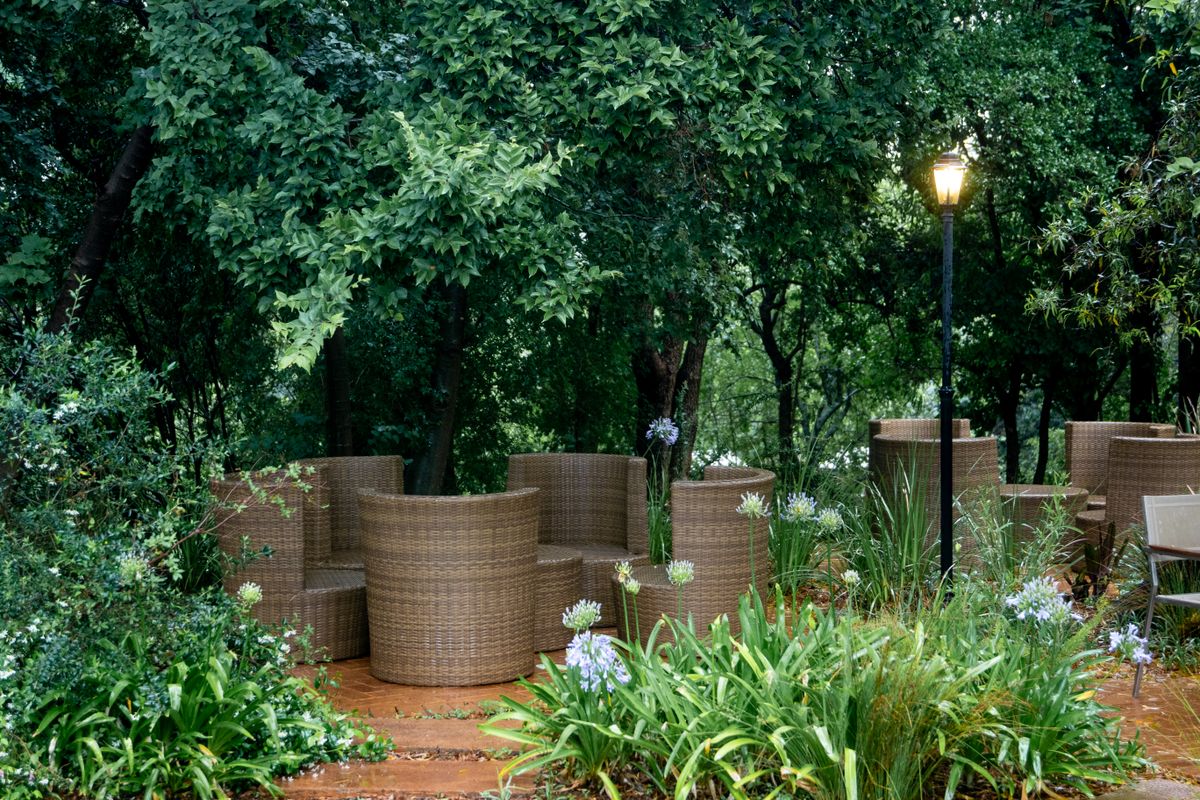
Photo by Magda Ehlers on Pexels
Choosing the right setup requires more than just buying the most expensive unit. You need to match the device to the specific pest and the topography of your land. I’ve found that a "set it and forget it" mentality rarely works; you have to be willing to adjust the frequency dials based on the results you see in the first week. Here is the framework I use when setting up a new perimeter:
- Identify the specific pest: Different animals respond to different frequencies; ensure your device has an adjustable dial to target the 13.5kHz to 19.5kHz range for large dogs or foxes, and higher ranges for rodents.
- Map the PIR sensor range: Most units cover about 30 feet in a 110-degree arc; you will likely need multiple units for a standard backyard to avoid "dead zones."
- Verify solar exposure: Ensure the placement receives at least 4-6 hours of daylight, even if it is a solar ultrasonic snake repellent spikes outdoor model that sits lower to the ground.
- Check for physical obstructions: Clear away tall grass or low-hanging branches that might trigger the motion sensor accidentally or block the ultrasonic output.
- Monitor weather sealing: Look for an IP44 or higher waterproof rating to ensure the unit survives the season.
Shop Solar Animal Repellent here